The Flats Built for Idealists, Recruiting for Moscow
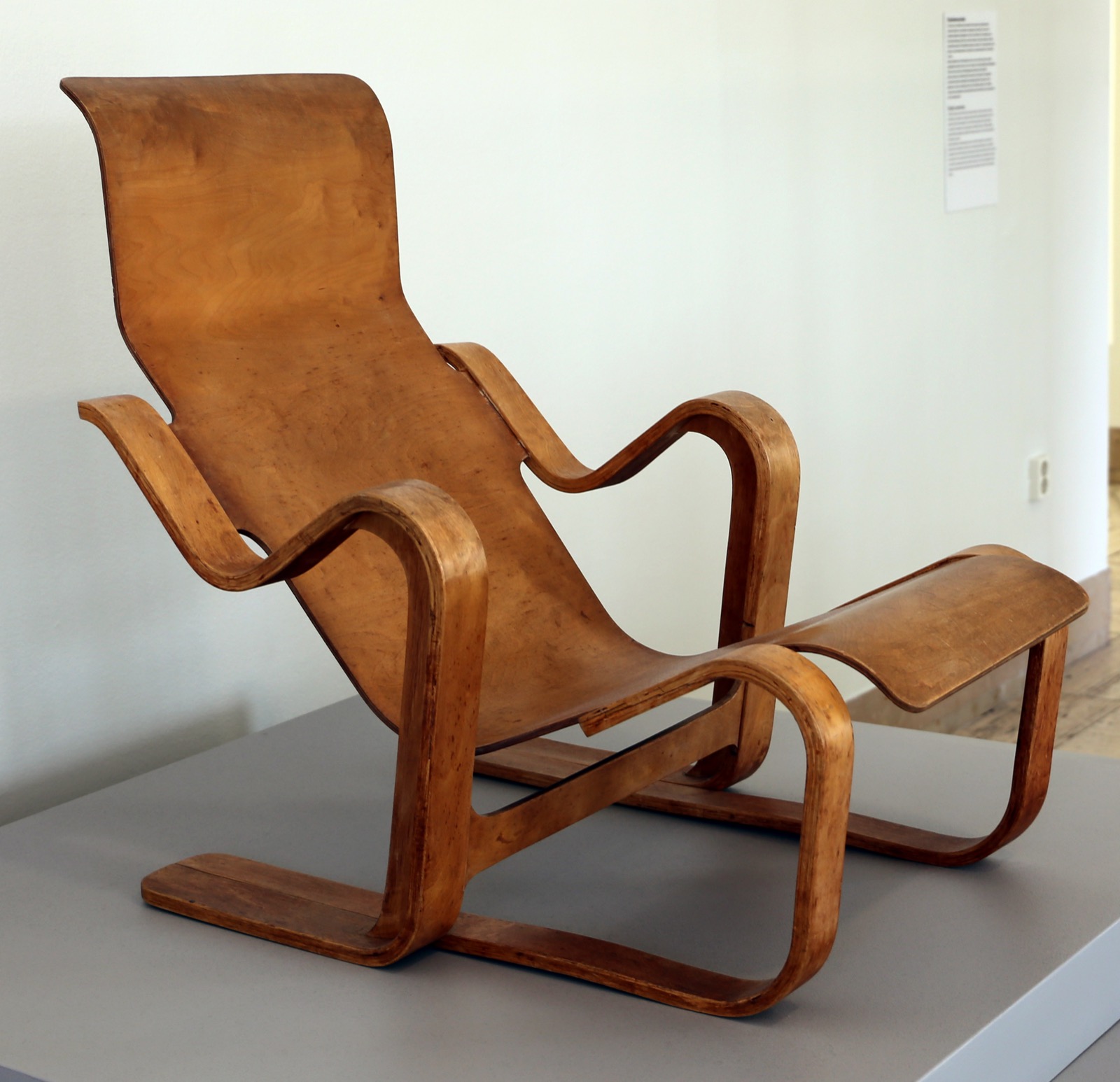
Foster + Partners just put a Dezeen Awards shortlist plywood collection through the Isokon name. The building that name comes from spent the 1930s doubling as a Soviet recruiting station.
Isokon by Foster + Partners: on paper it reads like a clean pairing of British design pedigree with British design pedigree. Join, a collection of plywood tables, a lounge chair, and a footstool, launched at London Design Festival in September 2025 — Foster + Partners' first collaboration with the 95-year-old furniture brand. Mike Holland, the firm's Head of Industrial Design, called it “a celebration of craft, production expertise, and shared values,” adding that working with Isokon's team let them “push the boundaries of what plywood can do — structurally, visually, and ergonomically.” A year on, Join by Isokon made the Dezeen Awards 2026 design shortlist, announced this week; winners land November 16.
The shared values are real, just not the ones in the press release. Isokon was founded in 1931 by Jack Pritchard, and its Lawn Road Flats in Hampstead — designed by Wells Coates, opened 1934 — were built as a minimal-living experiment for young modern professionals who didn't want furniture, mortgages, or the rest of the bourgeois apparatus weighing them down. Walter Gropius, fresh out of a Bauhaus the Nazis had just shut down, lived there from 1934 to 1937. Marcel Breuer designed the Isokon Long Chair on site in 1935–36, plywood bent into a single continuous curve; it's been in the V&A's permanent collection for decades and Isokon still makes it, hand-built, in birch.
Somewhere in that building, in a flat he took under a false name in the mid-1930s, sat Arnold Deutsch — a Soviet NKVD officer running his own recruitment operation out of the same address Gropius and Breuer called home. His brief was to find bright, well-connected undergraduates at Cambridge and Oxford before they entered the establishment, not after, so they'd rise through it as sources rather than targets. Kim Philby was his first, recruited July 1, 1934. Guy Burgess and Donald Maclean followed. The Cambridge Five ran for decades inside the building's own logic: get in early, before anyone's watching.
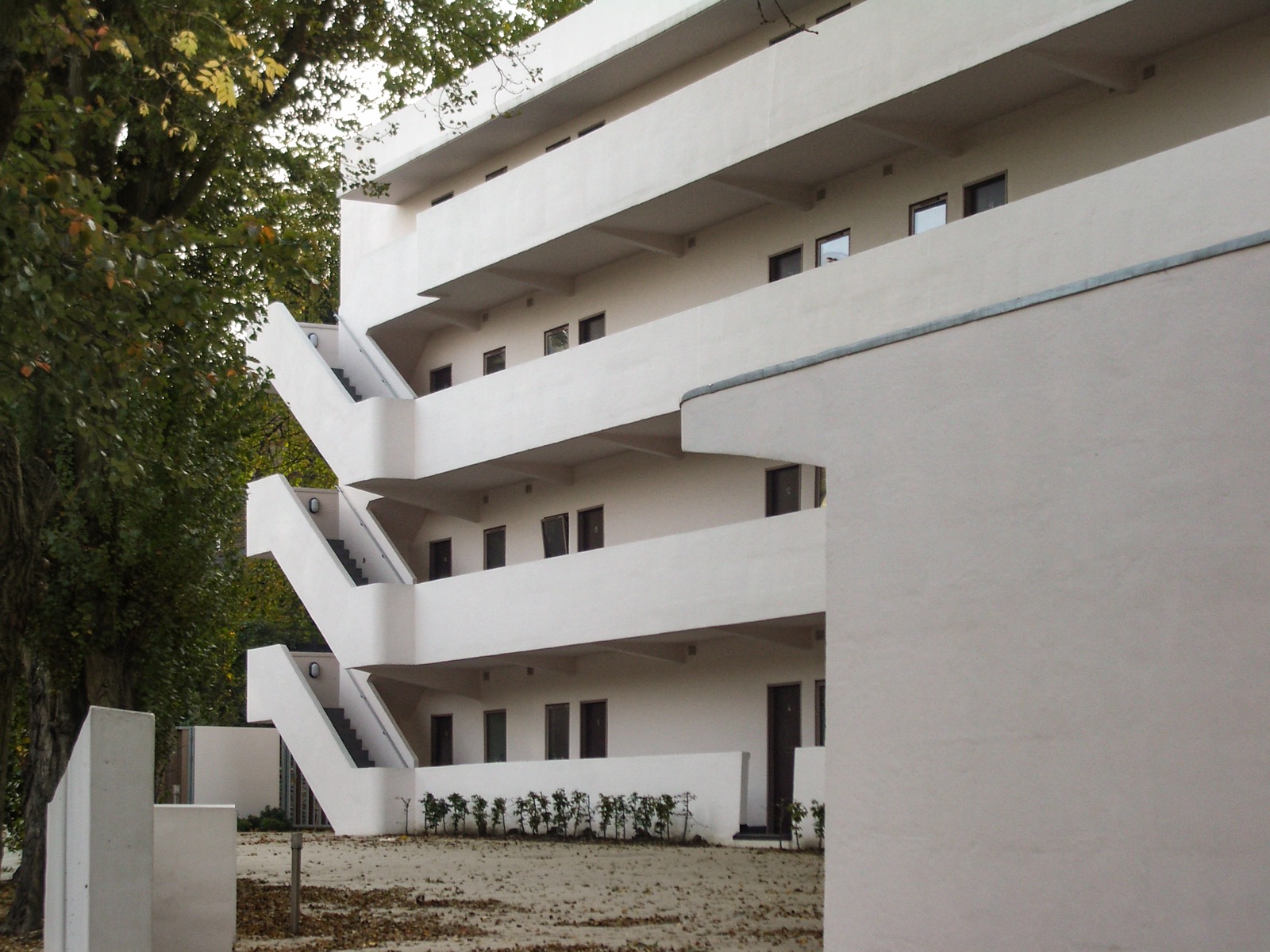
So a building conceived to free professionals from ownership and hierarchy spent its first decade as the operational base for infiltrating the hierarchy at its highest levels, and its name now sells plywood consoles to whoever's furnishing the lobbies of the banks and towers Foster + Partners designs for a living. Nobody involved in the 2025 launch mentioned Deutsch. Why would they — the flats where he lived are Grade I listed, and the chair he probably walked past every day is still £2,995, made to order, eight to ten weeks.