Cut Out the Bloody Rock 'n' Roll
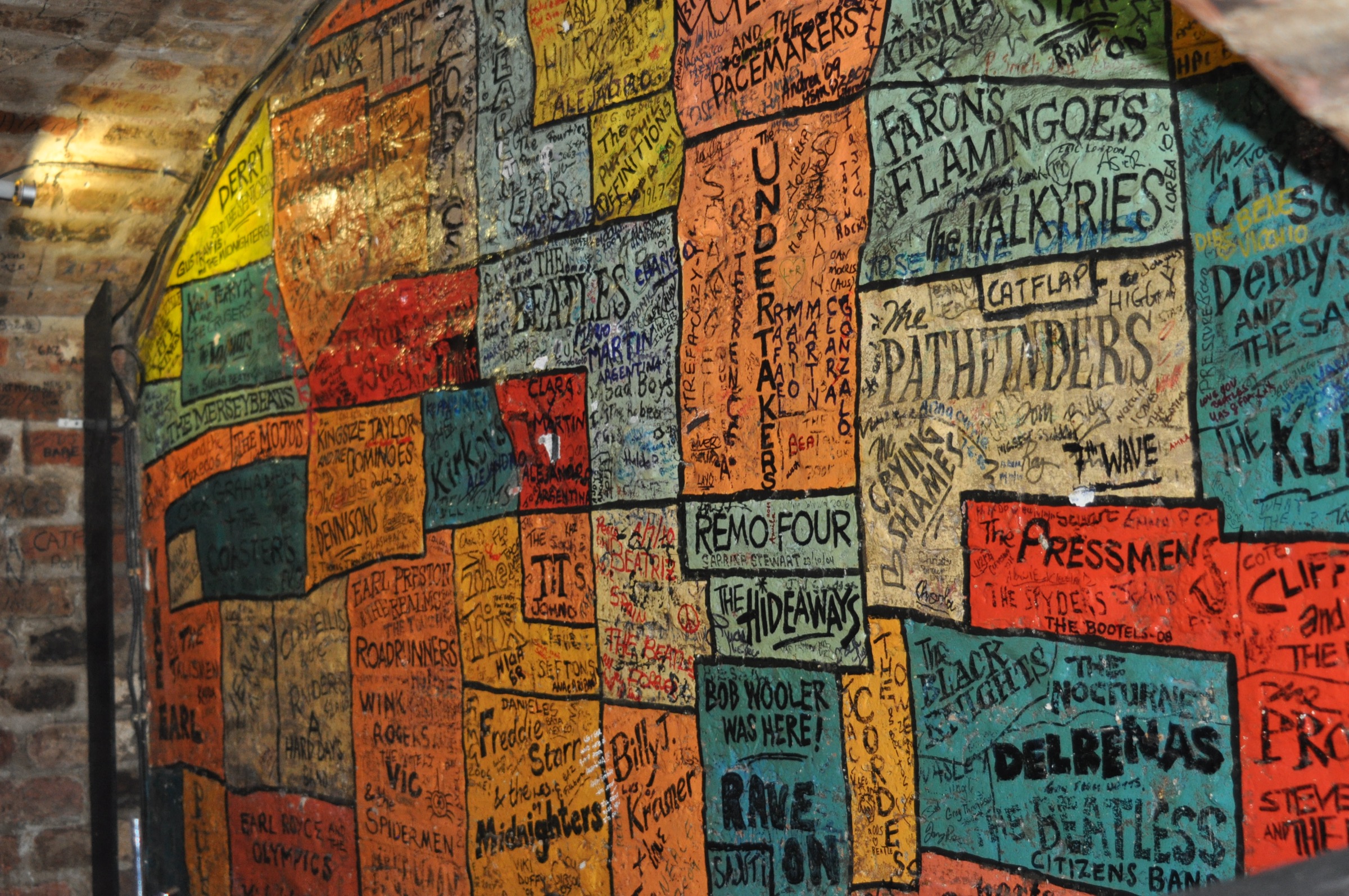
In 1957 the Cavern's owner passed John Lennon a note telling him to stop. In 1973 British Rail buried the room for a ventilation shaft it never built.
Last week the Museum of Liverpool started showing off what's going into 70 Years of The Cavern Club, which opens January 16, 2027 — seventy years to the day after the club itself did. Paul McCartney's Cavern dressing table. Gerry Marsden's acoustic guitar. John Lennon's brown suede jacket. A contract for a fifteen-year-old Stevie Wonder to play the room in January 1966. Tickets went on general sale last Monday.
Which is a lot of reverence for a place that opened with a rule. Alan Sytner started the Cavern on January 16, 1957 as a jazz cellar — skiffle tolerated, rock 'n' roll not. On August 7 a skiffle group called the Quarrymen got up there, opened with a skiffle number, and then John Lennon called “Don't Be Cruel.” Halfway through, Sytner pushed his way through the crowd and handed Lennon a note: “Cut out the bloody rock 'n' roll.”
Lennon did not cut it out. Between 1961 and 1963 the Beatles played the Cavern 292 times, and the jazz cellar became arguably the most famous rock 'n' roll basement in the world. Then, in 1973, it got buried. British Rail had taken over the warehouses above it the year before, to clear the block for a ventilation shaft for Liverpool's new underground loop. The club closed in May, the warehouses came down that June, and the cellar underneath was filled in with the rubble. The ventilation shaft was never built. The lot became a storage yard for British Rail vehicles, and later a car park.
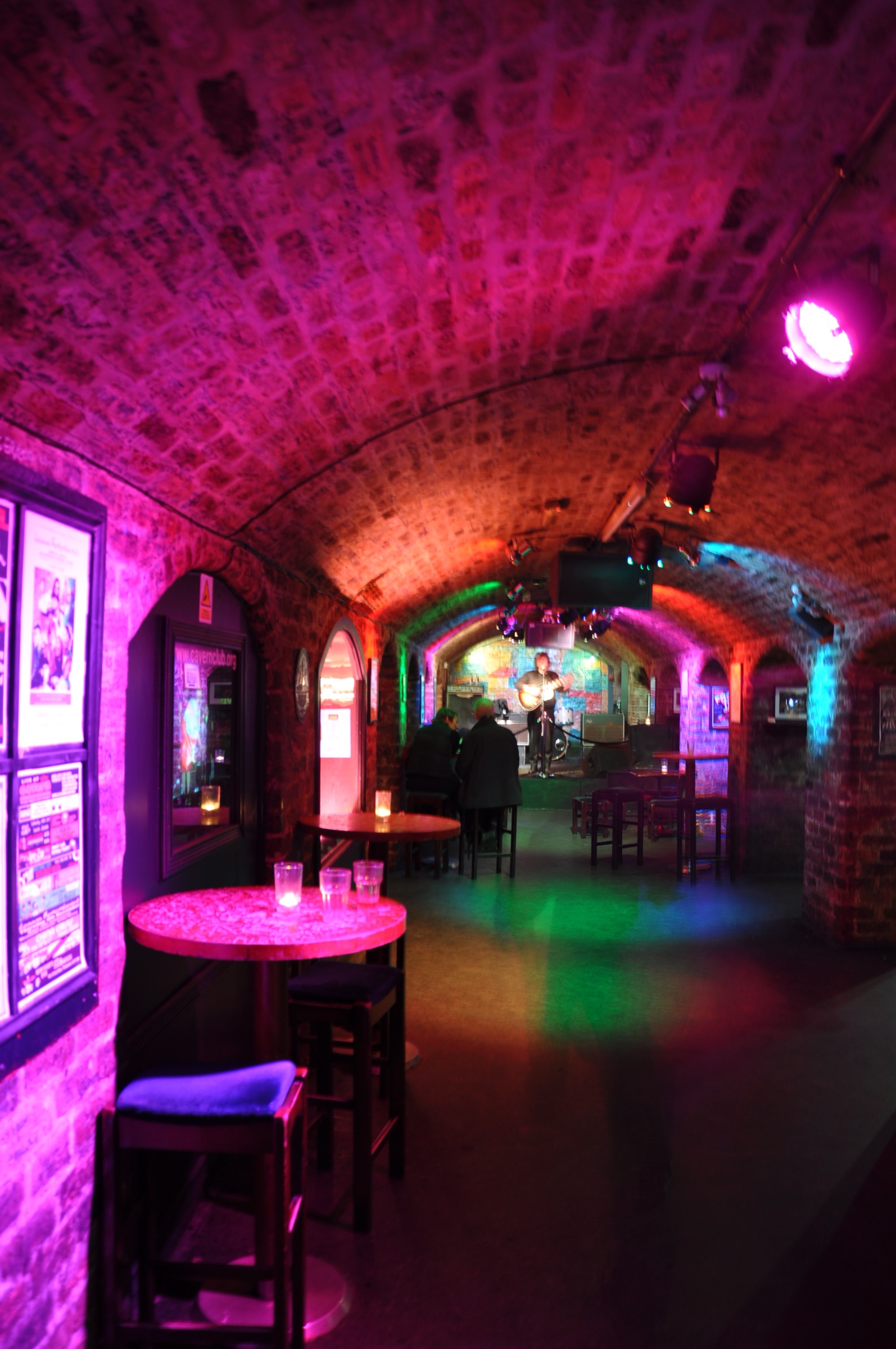
The Cavern you can walk into on Mathew Street today is that 1984 rebuild, on about seventy percent of the original footprint, using thousands of the original bricks. So when the museum's curator, Karen O'Rourke, says the exhibition is a chance to tell the story of “the rise, the fall, the emotion, the people and its life today,” the fall, at least as far as the building goes, was for a shaft nobody dug.
Buenos Aires had its own jazz cellar that turned into a rock 'n' roll one. La Cueva, a basement at Pueyrredón 1723, started as a cabaret and became a jazz club run by Juan Carlos “El Gordo” Cáceres, before the first rock nacional bands started hanging around in the mid-sixties; Litto Nebbia later said the place had no acoustics and no ventilation. On July 23, 1967, after a run of police raids, it shut for good. Nobody buried it under a car park. It became an appliance repair shop, and was knocked down in the 1980s for an apartment building.