Hear the Sound He Saw
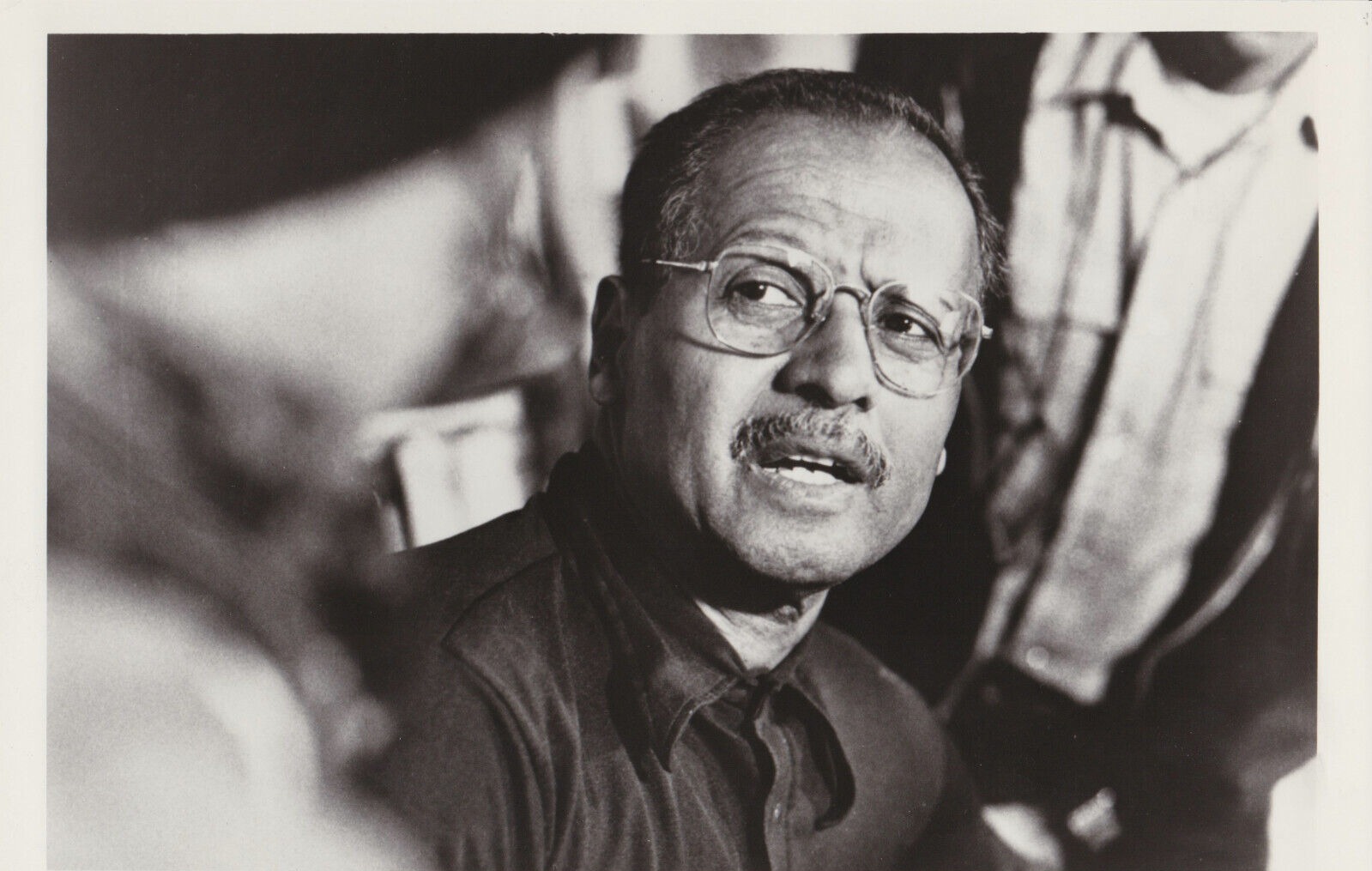
DeCarava spent forty years failing to publish a book that paired his photographs with jazz. Tonight a gallery finally builds him the room it always needed.
Roy DeCarava photographed Harlem and jazz musicians for over a decade before he tried to put the two together on purpose. In 1952 he became the first Black photographer to win a Guggenheim Fellowship, and used the year it bought him to shoot the everyday texture of his own neighborhood — stoops, subway platforms, deliverymen, kids — alongside the musicians he was photographing at the same clubs: Coltrane, Ellington, Billie Holiday, Ornette Coleman. By 1960 he'd sequenced the best of it into a single object, designed and built by hand: a one-of-a-kind maquette, photographs paired and paced so the book itself would read like a jazz set, closed inside a worn leather case. He called it the sound i saw.
No publisher would take it. Not because the pictures weren't good — because nobody could figure out how to sell a book that was visual and musical at once, by a Black photographer, that wasn't about spectacle or protest, just about noticing. It went back in its case and sat in a closet. DeCarava kept working, kept getting recognized as a photographer's photographer — a 1996 MoMA retrospective, the National Medal of Arts in 2006 — but the specific thing he'd built in 1960 stayed unpublished. He put it plainly to an interviewer a few years before that retrospective: “I will never get credit, I think, for my ability as a photographer. [They say] I'm black first, which puts me in another category.”
The maquette finally got condensed into a real, if smaller, show at the Studio Museum in Harlem in 1983 — his first public airing of it, 23 years after he built it. It didn't become an actual book until Phaidon printed it in 2001, when DeCarava was 81. He died in 2009 at 89. His widow, the art historian Sherry Turner DeCarava, got a fuller edition out through David Zwirner Books in 2019, timed to what would've been his 100th birthday — still just photographs on paper, still asking you to imagine the sound.
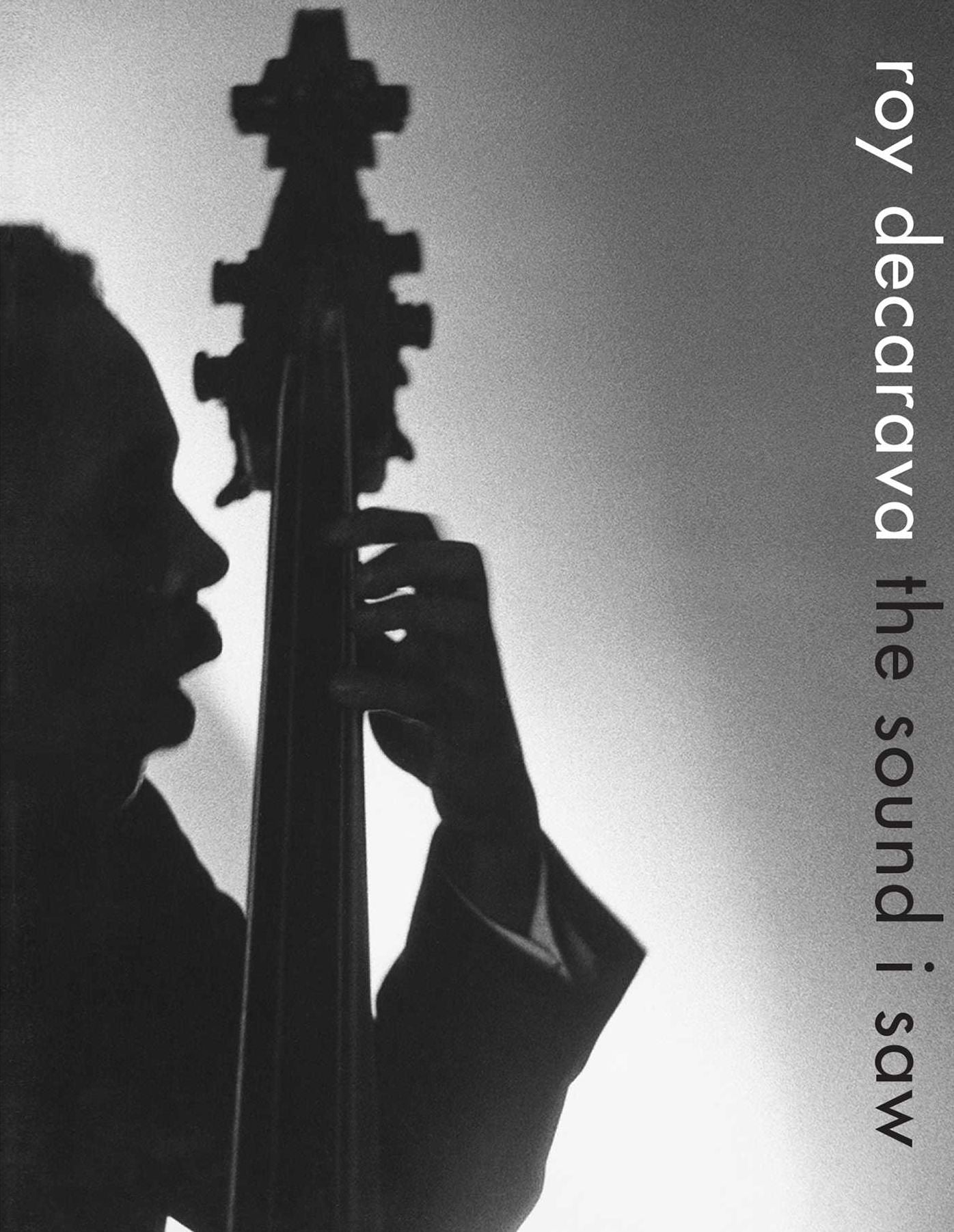
Tonight, David Zwirner's Los Angeles gallery opens the largest showing of this body of work since that 1983 debut — more than 130 prints, curated by Ebony L. Haynes. Next door, a second space they're calling the listening room plays DeCarava's own jazz records for the run of the show. Sixty-six years after he built a leather-cased object specifically to make photographs behave like music, and forty-one years after anyone would let the public see it, somebody finally built the room instead of asking readers to picture it.