Not in a Hurry
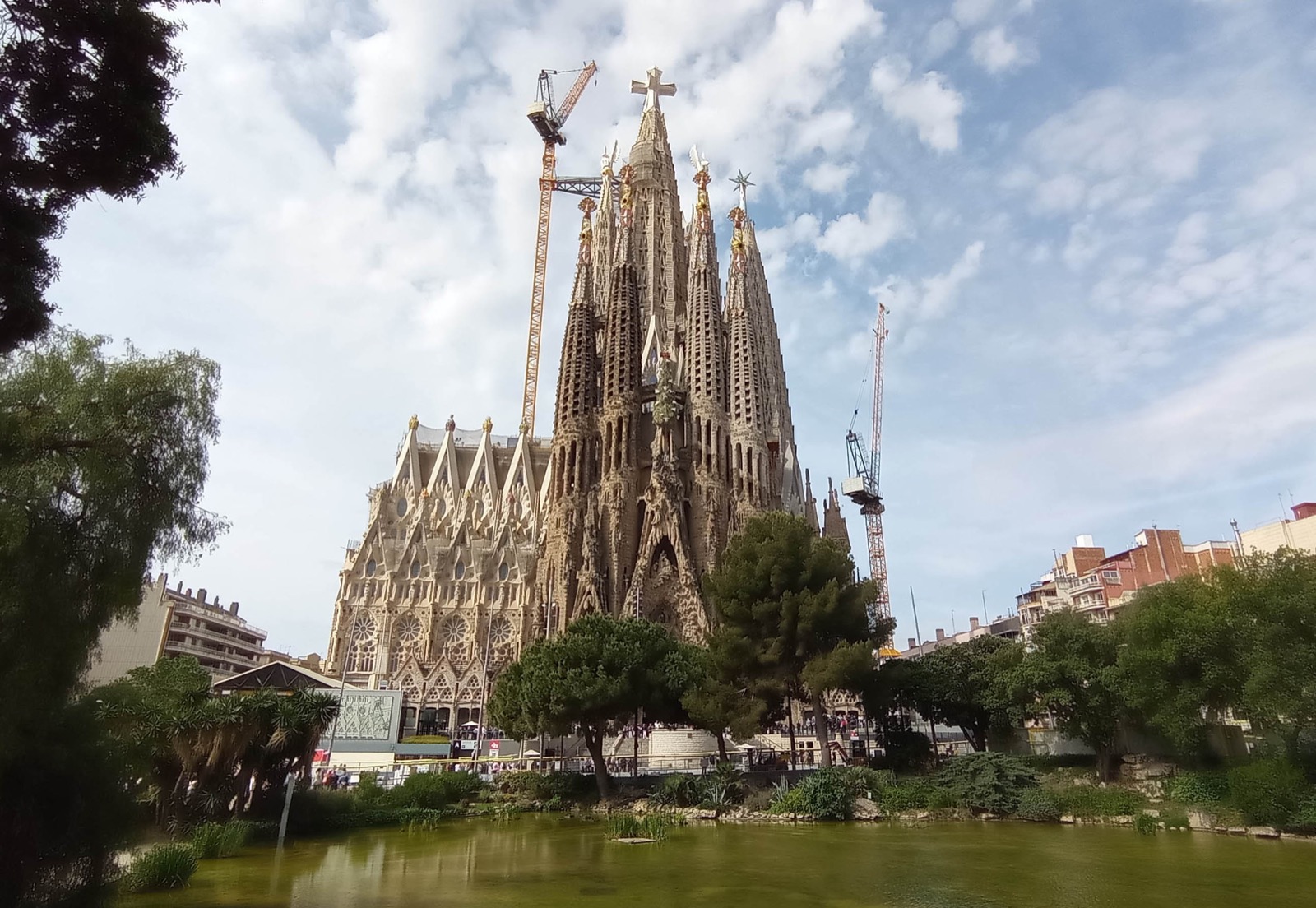
Gaudí died in a pauper's ward after cab drivers wouldn't carry him. A century later, his unfinished church just broke its own tourism record.
On June 7, 1926, Antoni Gaudí was walking to his daily confession when a tram hit him on Barcelona's Gran Via. He'd been living inside his unfinished church for years by then, and dressed for the work, not for the street — by the end that meant threadbare and unshaven. More than one taxi driver looked at the old man bleeding on the tracks and decided he wasn't worth the fare. He finally reached a hospital by police car, and was treated there as a pauper — nobody recognized the country's most celebrated architect until a priest from his own construction site found him the next day. It was too late by then. He died three days later, on June 10, still in the public ward.
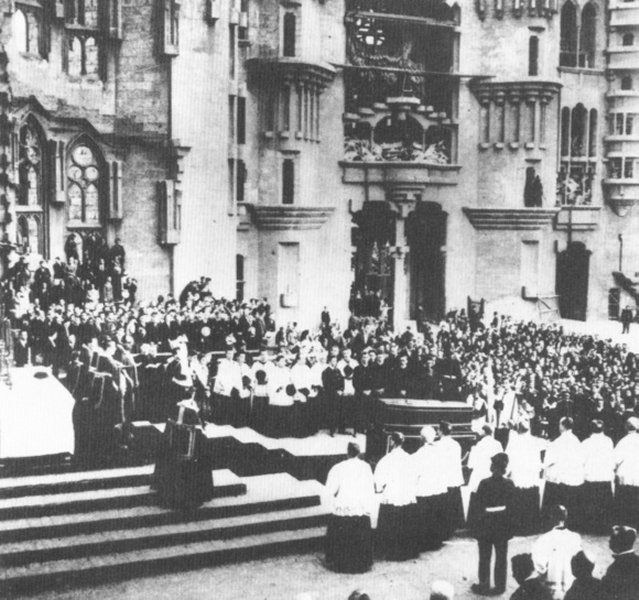
Barcelona worked out who it had lost fast. This is his funeral, days later — one of the largest crowds the city had turned out for anyone. The building he died for was designed to run on exactly the kind of money nobody thought he was worth: the Sagrada Família is chartered as an "expiatory temple," built only on the small donations of ordinary people, never a peso of government or church money. Gaudí's own answer, whenever anyone asked why it was taking so long: "My client is not in a hurry." He meant God. Construction has now run since 1882, through his death, two world wars, and a civil war that burned his own workshop and models.
This February, almost exactly a hundred years after he died penniless in a public ward, workers bolted the last section onto the Tower of Jesus Christ — 172.5 meters, the tallest point on what is now the tallest church on earth. Pope Leo XIV blessed it in June, on the centenary of Gaudí's death to the day. Before the tower was even finished, the temple broke its own attendance record last year: 4.87 million visitors, €134.5 million in revenue, 97% of it straight off ticket sales.
The expiatory-donation model, technically, still holds. It's just that the donation now runs €26 a head, times 4.87 million heads a year — none of it cab fare for the man they wouldn't carry.